
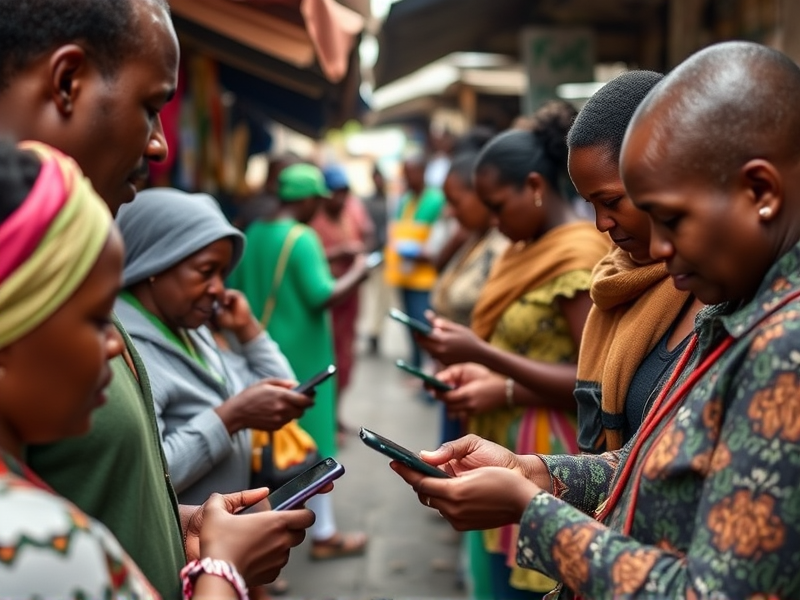
M-PESA, along with Safaricom and PayPal, has partnered to enhance account linking and streamline fund transfers across their networks.
Inclusive Digital Payments
Safaricom and PayPal aim to empower over 35 million M-PESA users and more than two million businesses and micro traders in Kenya by integrating their platforms. Users can now easily link their PayPal and M-PESA accounts, enabling them to move funds between the two systems.
Initially, this service is available for Safaricom M-PESA customers in Kenya, with plans for broader expansion across other M-PESA markets.
Both companies are committed to simplifying and securing digital transactions. This partnership is expected to improve the experience of customers and businesses engaging in cross-platform transactions, fostering a more inclusive global digital economy accessible in over 200 markets.
Focusing on Global Digital Economy
Safaricom officials stated that their collaboration with PayPal is part of a broader effort to provide simplified, secure, and inclusive digital payments amid ongoing globalization and digitization. The aim is to help customers and small entrepreneurs in Kenya participate in the global digital economy by easily transferring funds internationally.
PayPal highlighted that connecting local financial systems like M-PESA with the global economy can significantly enhance digital financial inclusion. By collaborating with Safaricom, PayPal intends to facilitate easier connections for M-PESA users across Africa to their international customer base.
Safaricom’s Commitment to Financial Inclusion
M-PESA has long focused on expanding financial inclusion and bridging the digital divide. For example, through M-PESA Kadogo, Safaricom waived fees for transactions below USD 0.77, making digital payments more accessible. With Ziidi MMF, customers can now invest as little as USD 0.77, promoting financial wellness and savings.
The partnership with PayPal is particularly relevant in the growing gig economy, where many Africans are increasingly accepting online jobs from clients around the world.
Interoperability Trends
This move underscores a broader trend towards interoperability among fintech providers. By integrating different services, these companies aim to create a more comprehensive digital financial ecosystem that better serves the needs of their users.
Latest Posts
-
Anthropic Shifts Stance on Mythos to Enable Shared Threat Intelligence
Anthropic’s cybersecurity platform Mythos is starting to transform how governments and…
BY
-
Identity Fraud and the Erosion of Trust in the Age of AI
Behind the Staggering $27.3 Billion in Identity Fraud Losses in 2025…
BY
-
Palo Alto Network Warns of Looming AI Fraud Deluge
Global Concerns Over AI-Driven Cyber Exploits Cybersecurity firms worldwide are alerting…
BY
-
Wise’s Cross-Border Payments Are Its Fastest-Growing Business
Shift Away from Traditional Banking Routes with Wise’s Fintech Solutions With…
BY
-
The Passkey You Can’t Steal: Why Hardware Beats Software for High-Stakes Authentication
Today is World Passkey Day: An Examination of Current Market Directions…
BY
-
As Digital Fraud Booms, AARP Warns of Continued Analog Threats
AARP New York recently organized a series of “The Big Shred…
BY
-
The IMF’s Warning to Banks: Share Data to Beat AI Fraud
The International Monetary Fund is advocating for banks to reassess their…
BY
-
Kraken’s Success Attracts Institutional Investment, Cyber Threats
Deutsche Boerse is intensifying its venture into digital assets with a…
BY
-
To Fight Fraud, India Proposes a One-Hour Delay on Some P2P Payments
As India’s leading instant payments system scales new heights, it is…
BY